
The Westminster Government’s National Plan to End Homelessness: What you need to know
On 11 December, the Westminster Government published a new strategy for England, aimed at getting the country back on track to end homelessness.
Last updated: 19.12.2025
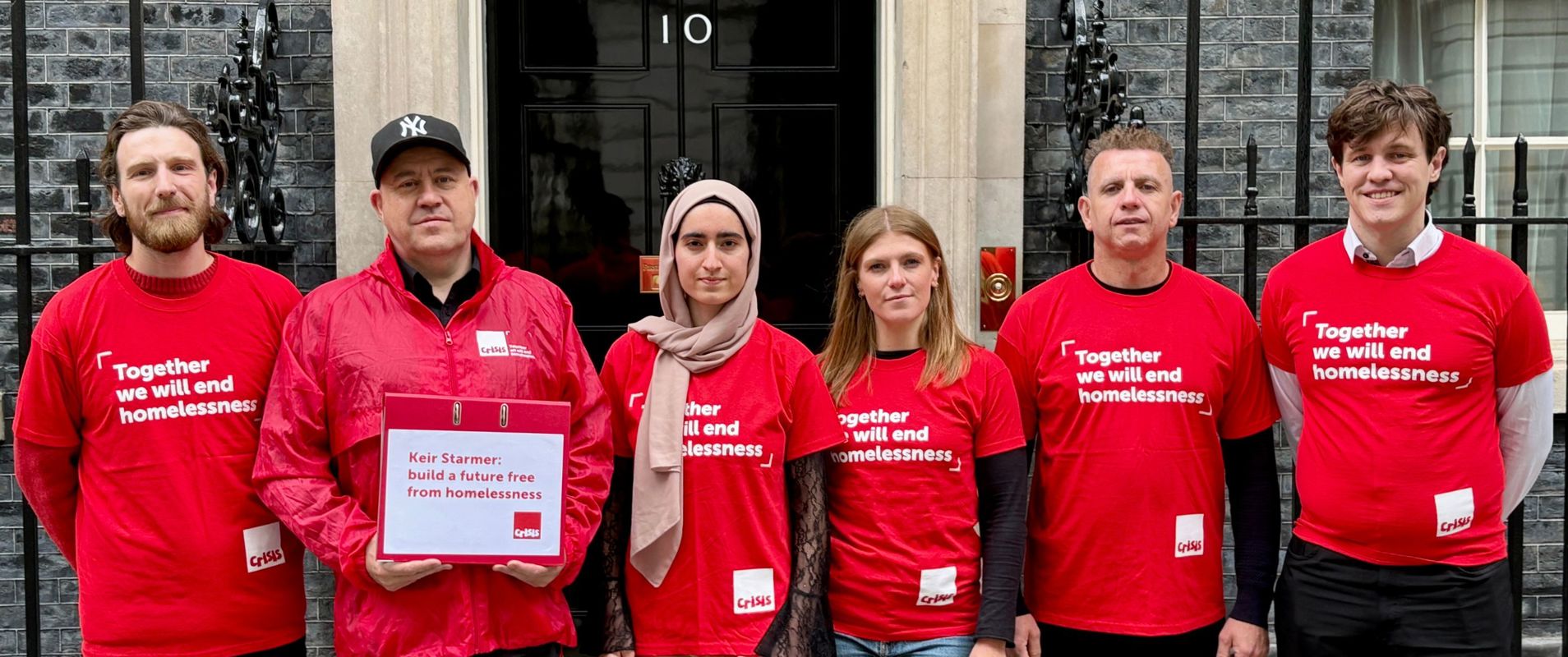
We’ve campaigned for months alongside thousands of supporters, people with lived experience of homelessness, and our colleagues in other organisations for this plan to build a future free from homelessness. Will it meet this aim?
The National Plan to End Homelessness sets out three main pledges:
- to halve the number of people experiencing long-term rough sleeping;
- to end the unlawful use of bed and breakfasts for families for more than 6 weeks;
- and to stop more people from becoming homeless in the first place.
It also includes many welcome steps to prevent homelessness, such as new duties to collaborate between public services, and a new commitment to stop people being discharged from public institutions like hospitals to the street.
Homelessness is at record highs in England
Homelessness in England is at its highest levels in years. Research from Crisis shows that almost 300,000 people are experiencing the most severe forms of homelessness. Government figures also show record numbers of households in temporary accommodation, including nearly 170,000 children.
These figures highlight the scale of the challenge. It’s welcome that strategy broadens the way homelessness is understood, moving beyond a sole focus on rough sleeping to recognise other forms of homelessness, such as long stays in temporary accommodation.
Prevention is at the heart of the plan
A key strength of the strategy is its focus on preventing homelessness before it happens. Crisis has long called for a shift towards prevention as key to ending homelessness.
Excitingly, it will introduce a new duty to collaborate in law, which means agencies will have to work together to prevent homelessness. This was a central call of our campaign.
This follows the approaches taken in Scotland and Wales, where laws require public services like local authorities, prisons and hospitals to work together to prevent homelessness. While the detail is still to be worked through, it presents a transformational opportunity to stop homelessness before it happens.
In the meantime, the strategy sets out targets for places like hospitals and prisons to prevent homelessness. Our research found a 22% rise in people becoming homeless after leaving public situations like hospitals and prisons, and a 37% rise from asylum accommodation, so properly addressing this could help quickly reduce homelessness in England.
Few measures to make homes more affordable
However, while it sets out clear ambitions, the strategy does not go far enough in tackling the shortage of genuinely affordable housing in England. Without clear action to increase the supply of affordable homes in the short to medium term, it is difficult to see how people at risk of homelessness will be able to find and sustain suitable housing.
Crucially, there is no action to help people on the lowest incomes afford their rent by unfreezing housing benefit for private renters. The decision was made at the Autumn Budget to continue the freeze until at least 2027, meaning renters will face a real terms cut in support with their housing costs.
Many people renting privately are already struggling to cover their rent, while others remain stuck in temporary accommodation unable to move on because they cannot afford to rent.
With only 2.7% of private rented homes in Great Britain affordable for people who need housing benefit, this freeze will push many more households into housing insecurity and homelessness across Great Britain.
The strategy could also have gone further by including measures proven to help end homelessness, such as a national expansion of Housing First in England for people sleeping rough and those with multiple needs. Government will be setting out a long term plan on housing next year, and we'll be making sure ending homelessness is central to its ambitions.
The strategy rightly recognises that some groups face a higher risk of homelessness including survivors of domestic abuse and exploitation, young people, LGBTQ+ people and refugees.
In response there are some positive targeted changes, for example it will be made easier for young people in supported housing to work. But, the strategy falls short of addressing the specific needs of women, disabled people, people of colour, and refugees, among others.
To succeed, the Government must ensure its approach reflects different experiences of homelessness and works for everyone.
We’ll continue to fight for systemic change
Overall, it is positive that Westminster Government has acknowledged the scale and range of the challenge and set out a clear plan for tackling homelessness.
But, important gaps remain, including on increasing genuinely affordable housing, improving access to stable homes, and ensuring everyone has the right support they need. Without further action, the ambition to end homelessness will be difficult to achieve.
With your support, we’ll continue to fight for systemic change – and to give people the lasting support they need to escape homelessness for good.